



Inclusive by Design
For decades, strength training was wrongly stereotyped as “for men.” That narrative has been dismantled. Today, women are the fastest-growing segment in strength training. Whether it’s beginners exploring strength for wellness, Gen Z lifters sharing PRs on TikTok, or older women prioritizing bone health and longevity, the message is clear: women want and expect access to serious strength training.
For facilities like yours, this isn’t just a lifestyle trend. It’s a market shift with financial implications. Facility managers and buyers who reframe their approach to strength spaces will see measurable returns in acquisition, retention, and reputation. Those who don’t risk falling behind.
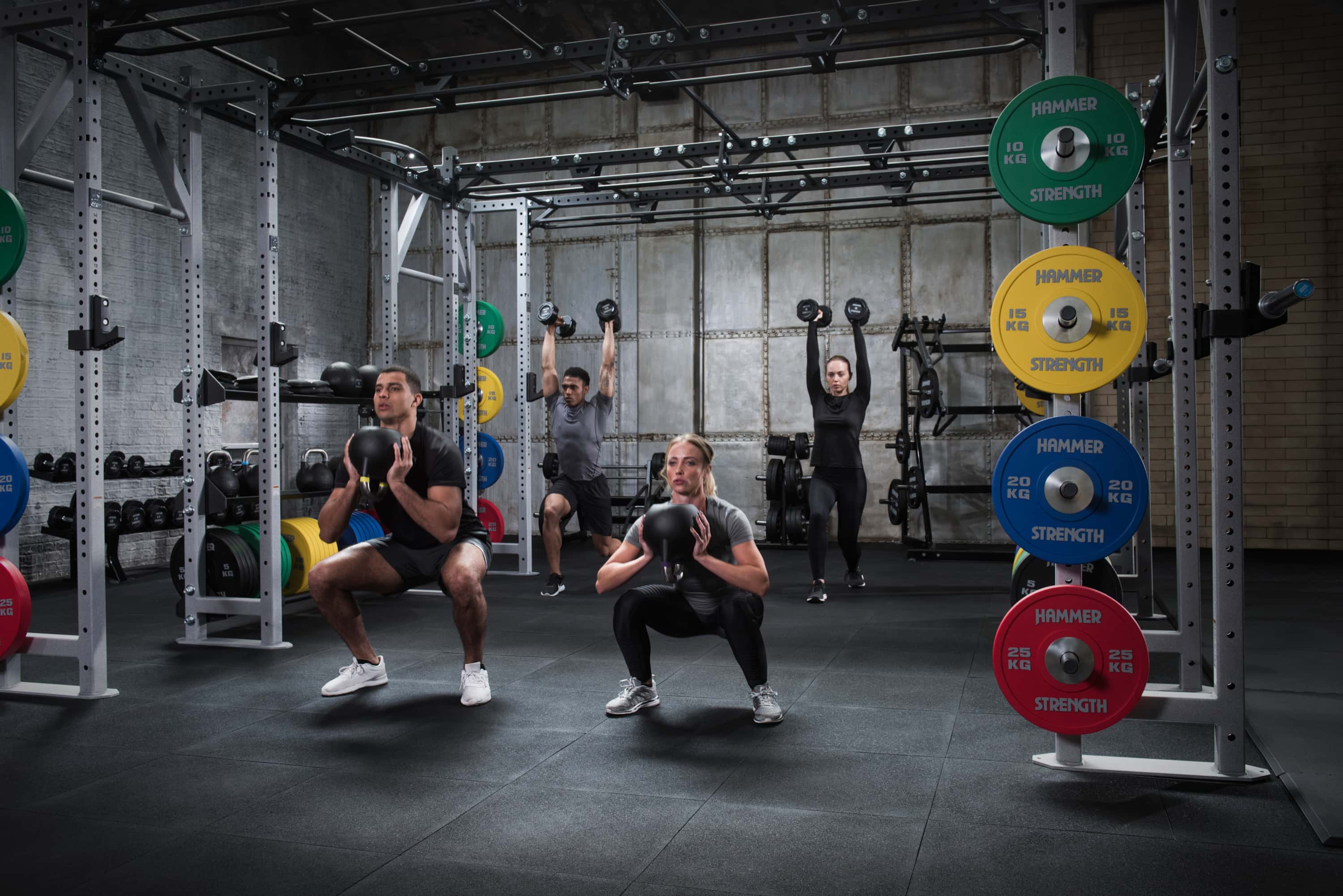
Why Women Strength Train: The Consumer Shift Behind the Business Case
Search interest in “strength training for women” and “weightlifting benefits for women” has surged, reflecting a cultural turning point:
- Health and longevity: Strength training is now recognized as critical for bone density, metabolic health, and healthy aging especially for women.
- Performance over aesthetics: Many women are embracing “strong, not skinny” as a new fitness identity.
- Community-driven motivation: Social platforms have created digital communities where women celebrate progress in strength training.
Why this matters for facilities: When the cultural baseline shifts, the bar for fitness spaces rises. Members are actively looking for inclusive environments that support lifting and will leave if yours doesn’t.
Inclusive Gym Design: The New ROI Driver
“When we talk about inclusivity, it’s not a side initiative. It’s a growth strategy. Strength is where women are investing their time, and facilities that recognize that are seeing real business impact.” – Tracey Barrett, Director Cardio Portfolio, Life Fitness
The barrier isn’t interest. We’ve discussed that millions of women already want to lift weights. The barrier is environment. Women consistently report avoiding weight rooms due to intimidation, overcrowding, or equipment not suited to their needs.
Facility managers have levers to pull:
- Layout matters: Avoid confining free weight zones to a corner dominated by advanced lifters. Position them with equal prominence as cardio.
- Accessibility matters: Adjustable benches, racks at multiple heights, and selectorized equipment make strength approachable to all body types.
- Visibility matters: Open sight lines and clear signage reduce intimidation and invite exploration.
Every design choice is either an invitation or a barrier.
Equipment That Women Actually Use (and Why It Matters)
It’s not about “pink dumbbells.” It’s about serious, scalable, and inclusive equipment choices you can make today:
- Selectorized machines: Perfect entry point for new lifters, especially when instructions are intuitive and the setup is simple.
- Plate-loaded equipment: For intermediate to advanced lifters, offering progression and challenge.
- Free weights and racks: Essential for credibility and for women who want to train alongside men without compromise.
“Recovery and strength aren’t side categories anymore — they’re becoming the core of how members evaluate a facility. For women especially, strength training is now seen as essential for health and longevity.” – Luke Carlson
When women feel equipment “fits” them, utilization rates rise. That translates into higher value per square foot, lower idle equipment, and stronger ROI.
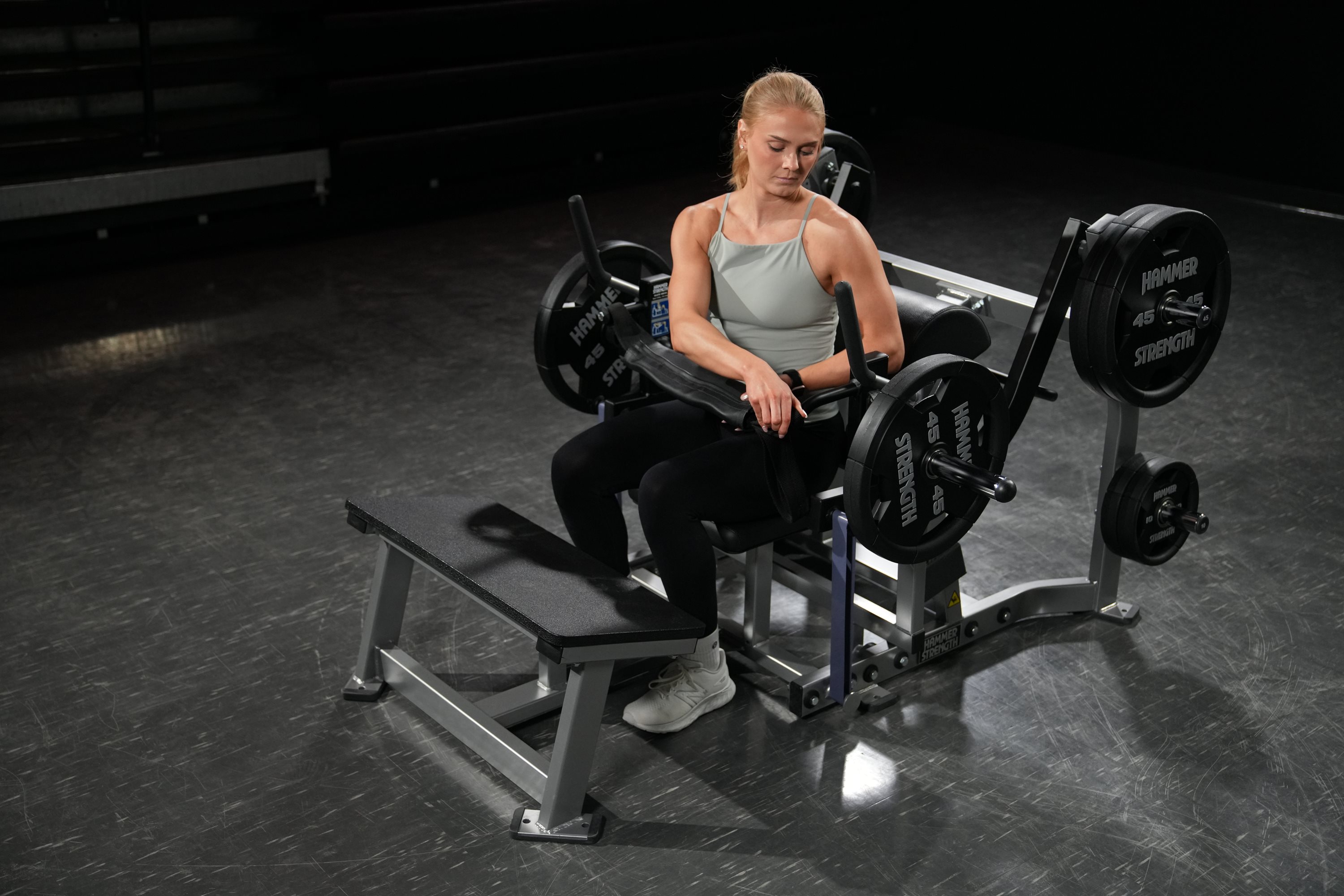
The Competitive Advantage of Inclusivity
Inclusivity isn’t a nice-to-have. Today, inclusivity is a differentiator in a crowded market. Facilities that support women in strength training gain:
- Acquisition: A growing segment of prospects who will actively choose facilities that empower female lifting.
- Retention: Women who strength train stay longer, train more frequently, and bring friends.
- Brand equity: Being known as an inclusive strength-forward facility drives social sharing and positive reviews.
- Corporate partnerships: Employers and wellness partners increasingly evaluate inclusivity as part of vendor selection.
The payoff: inclusivity accelerates both top-line growth and bottom-line efficiency.
Looking Ahead: The Future of Women and Strength
Women’s participation in strength training will continue to expand, fueled by healthcare recommendations, generational adoption, and cultural normalization. For facility leaders, the question isn’t whether to adapt. It’s how quickly.
Those who proactively redesign spaces, invest in versatile equipment, and create inclusive cultures will not only serve women better, they’ll future-proof their business.
“If you make strength inclusive, you future-proof your brand. The return is not just more members, but more committed members.” – Luke Carlson
Next Step for Facility Leaders
See what inclusive design looks like in practice.
Our Facility Design team helps operators reimagine their strength spaces for every member. From layout optimization to equipment planning, we turn inclusion into a competitive advantage.
Connect with Facility Design Services