



The Strategic Value of Functional Trainers
In today’s hyper-competitive fitness market, space is currency. Facility leaders need smarter ways to deliver diverse training experiences, streamline traffic flow, and strengthen the bottom line, all without expanding their footprint. Functional trainers, especially when paired with modular cable systems, are becoming the linchpin of that strategy.
These multi-functional machines offer far more than flexibility for members. Think of them as your operational workhorses. A single functional trainer can replace several single-purpose units, simplify facility layouts, enhance programming versatility, and deliver outsized returns per square foot. In essence, functional trainers are no longer just equipment. They’re strategic assets.
The New Language of Strength
While traditional strength machines like chest presses and leg curls remain essential for targeted training, functional trainers bring unmatched versatility to the floor. With cable columns, Olympic racks, and a wide range of attachments, these systems empower members to push, pull, hinge, and rotate with ease. And all in a compact footprint. That means facilities can deliver a broader spectrum of training without expanding their square footage.
It's a powerful shift, but not the whole story. Many members still prioritize physical appearance and physique; yet more are incorporating functional movement into their routines. Whether it’s lifting groceries, playing with kids, or getting up from the floor with ease, functional trainers support strength that translates into daily life. For operators, that versatility is a strategic win: one unit can serve a teenager, a busy executive, and a post-rehab client all in the same day. That level of flexibility drives loyalty, satisfaction, and consistent usage across demographics.
“As a wheelchair user, the Universal Cable gave me the freedom to complete workouts independently. It opened up a whole new world of fitness and empowerment.” — Life Fitness user, Mckenna Woodhead
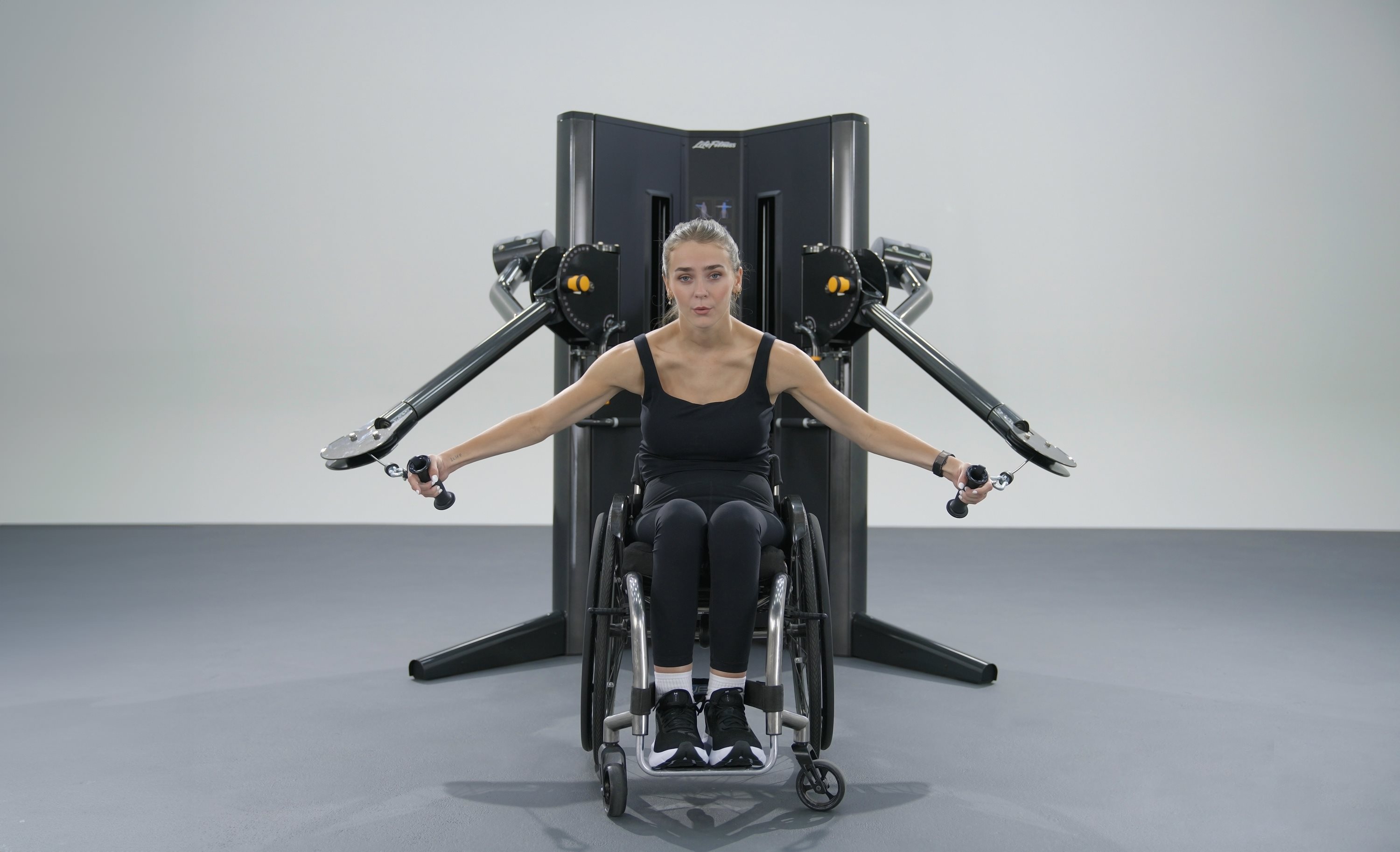
Why Functional Trainers Anchor Strength Zones
Three compelling reasons why functional trainers have moved from luxury to necessity in modern facility design:
1. Programming versatility.
From mobility warm-ups to high-intensity circuits, functional trainers enable virtually every training style. And they keep your members’ workouts engaging and retention rates high.
2. Space = ROI.
A single dual-stack functional trainer replaces multiple traditional machines, making every square foot more productive.
3. Win-win for personal and group training.
Trainers appreciate the ease of customizing workouts; group classes flourish around pods built with functional trainers making them dynamic, efficient, and scalable.
Callout: What the Numbers Say
Even modest functional zones can generate significantly greater value than their predecessors. In one recent HFA case study, a converted space once housing a rarely used racquetball court began serving 8 to 12 users per hour, compared to just one or two previously. That’s a multiplier effect on revenue per square foot. (Health & Fitness Association)
Facilities can make major gains in usage, engagement, and income by optimizing existing square footage through functional zones.
Designing with Modular Cable Systems
The evolution of functional trainers continues with modular systems giving facility leaders unmatched control over layout and flow.
With modular cable systems, you're not locked into fixed layouts. Units can be wall-adjacent, corner-fitted, or grouped into multi-station hubs. For busy facilities, that means better traffic management, a more open and inviting floorplan, and the flexibility to adapt as programs and members evolve.
Key benefits include:
- Space optimization: Streamlined footprints unlock room for premium offerings like group classes, stretching zones, or wellness areas.
- Custom configurations: Mold your strength zone to reflect your brand’s aesthetic and training ethos.
- Scalability: Add or reconfigure stations mid-plan without overhauling your entire floor or budget.
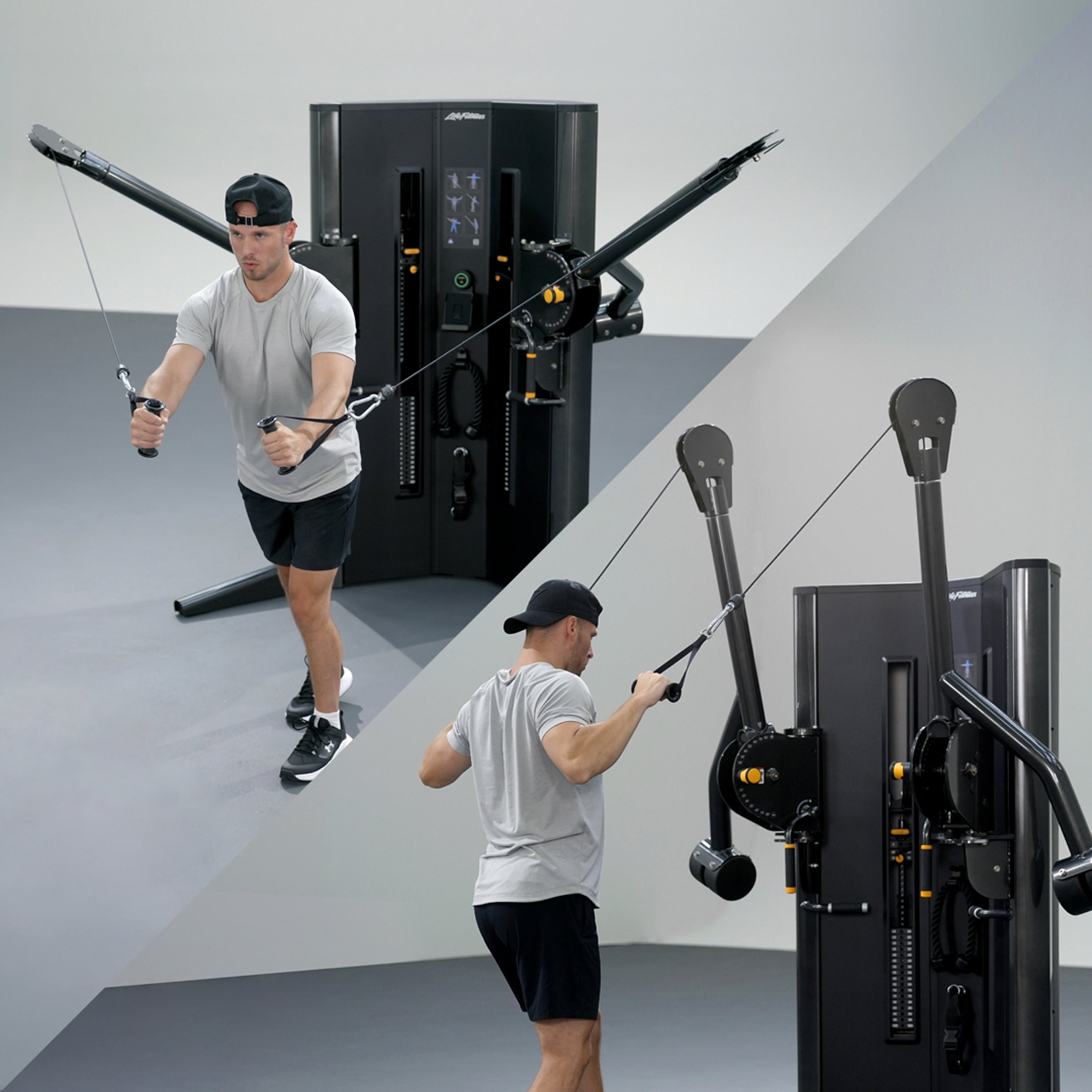
Innovation in Practice: The Universal Cable
This demand for inclusive, adaptable strength solutions is exactly what inspired Life Fitness to create the new Universal Cable. Built to serve every BODY and every facility, it combines compact design with true training freedom. Operators can configure it as a corner unit, or a standalone hub, while members benefit from intuitive adjustability, constant resistance, and the ability to move naturally.
It’s not just about equipment; it’s about unlocking more value from every square foot.
Making the Most of Functional Trainers on Your Floor
Even the best equipment depends on smart integration. Top operators use these strategies to maximize impact:
- Training pods: Pair a trainer with benches, accessories, and gear to serve multiple users in a defined, walkable area.
- Smart placement: Tuck modular units into corners to clear central space for group formats or activity zones.
- Cross-programming: Create beginner-to-advanced touchpoints to meet diverse user needs and boost engagement.
- Brand integration: Finish equipment with branded colors and accessories to elevate your environment and your members’ experience.
- Dual-use capability: Dual-stack units enable simultaneous use, minimizing wait times and maximizing throughput.
What This Means for Facility Leaders
The rise in functional trainers reflects more than an equipment trend. It mirrors evolving expectations. Members want training experiences that feel smart, dynamic, and adaptable. And they want it delivered in a way that’s intuitive and approachable. Operators want ROI, scalability, and operational clarity.
Functional trainers and modular cable systems deliver on both fronts, activating engagement, amplifying efficiency, and reinforcing brand identity.
It’s why the most forward-thinking facilities, from boutique studios to hospitality gyms to upscale clubs, are building strength zones around functional trainers, not just peppering them in the mix.
“The Universal Cable is a great addition to the offerings by Life Fitness. This is a piece of equipment that can offer something to a wide variety of our members in a way that we are currently unable to.”
— Michael Marquez, Operations Director, YMCA of Pierce and Kitsap Counties
Final Takeaway
Here’s the bottom line for facility managers: functional trainers don’t just occupy space. They multiply it.
These versatile, modular systems allow you to compress a full array of training tools into a lean footprint, open space for high margin uses, and adapt as members and trends evolve.
The true value isn’t just in the workouts. Value is also achieved in smarter operations, stronger financials, and floors designed for the future.
Forward-looking operators are already seeing the difference. Ready to rethink how strength zones fit into your floorplan? Start with functional trainers. Modular systems give you the flexibility to design spaces that maximize ROI, expand programming opportunities, and meet the needs of every member.