



Compare the Hammer Strength Plate-Loaded Pendulum-X to traditional pendulum squat machines. View the comparison chart to discover how patented resistance and full-body extension deliver next-level leg power and athletic performance.
From Field to Facility
How Strength Coaches Are Driving the Next Era of Performance Innovation
What Facility Operators Need to Know About the Shift from Theory to Practice in Strength Science
In strength training, a significant shift is underway, and it's changing how progressive facilities think about equipment, programming, and performance. The old top-down model, where academic research trickled down to the weight room, is being replaced by a more agile, practice-driven approach. Today, the most impactful innovations aren't starting in labs; they're emerging on the floor.
According to Dr. Mary Kate Feit, Assistant Professor of Strength and Conditioning at Springfield College, this shift isn't just philosophical; it's operational. "In our field, practice often leads research," she explains. "Coaches are trying new methods, adapting them in real time, and seeing results long before a study is published."
For facility managers and operators, this evolution opens the door to smarter investments and stronger outcomes if you're equipped to respond.
 Why the Research Model Is Flipping—and Why It Matters to You
Traditional strength and conditioning research often missed the mark for real-world applications. It focused on tightly controlled, single-variable studies that failed to capture the complexity of strength and conditioning training. As Dr. Feit points out, "No athlete is doing ten sets of ten on a leg press. That's not sustainable or practical for performance."
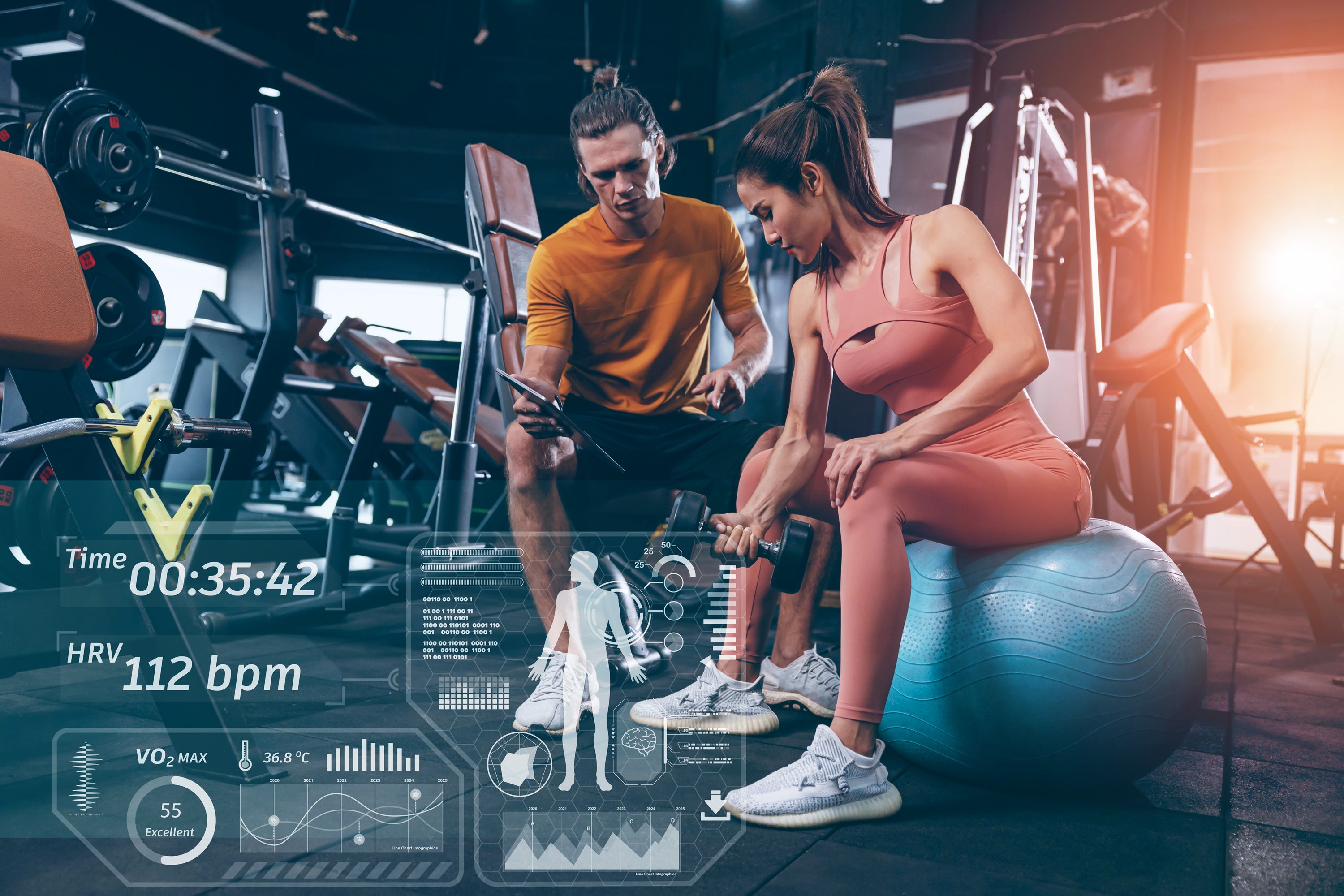
What's taking its place is a new wave of observational, data-rich, coach-driven insights powered by tools like velocity-based training (VBT) systems to adjust training stimulus, GPS tracking to monitor load, and force plates to monitor fatigue. Coaches are using this data not just to track performance but to shape it, in real time.
This presents a strategic advantage for facilities that can support and accelerate this real-time feedback loop. It also signals that the most valuable insights for your training programs may be coming from the coaches already on your staff, not academic journals.
The Role of Equipment in a Practice-Led World
If coaches are the new scientists, then the equipment is their lab. And not all tools are created equal.
For facility operators, this shift underscores the importance of selecting equipment that goes beyond durability or brand recognition. Today's best investments are:
- Versatile and space conscious. Facilities, especially in hospitality, higher education, and training studios need equipment that does more with less.
- Data-integrated. Machines that sync with athlete monitoring tools provide a real-time window into performance and give coaches the insights they need to adjust programming on the fly.
- Athlete-adaptive. Whether you're training elite competitors or general populations, equipment must offer the flexibility to meet users where they are and support where they're going.
Dr. Feit emphasises: "The days of one-dimensional machines are over. Coaches need platforms that reflect the complexity of real training environments."
Coaches as Innovators: Empowering In-House Expertise
At the core of this movement is a new mindset: your coaches are more than practitioners; they're innovators.
They experiment daily. They're iterating based on what they see, feel, and measure. They're finding what works not in theory, but in the live environment of your facility. And increasingly, they expect tools and systems that support that innovation, not slow it down.
This isn't just a cultural shift; it's a competitive one. Operators who create environments where coaches can test, measure, and refine are the ones attracting talent, retaining staff, and delivering better outcomes to clients and members.
What Leading Brands Should Be Doing (and What We Are)
At LF / HS, we embrace this transformation and help facilities operationalise it.
This means:
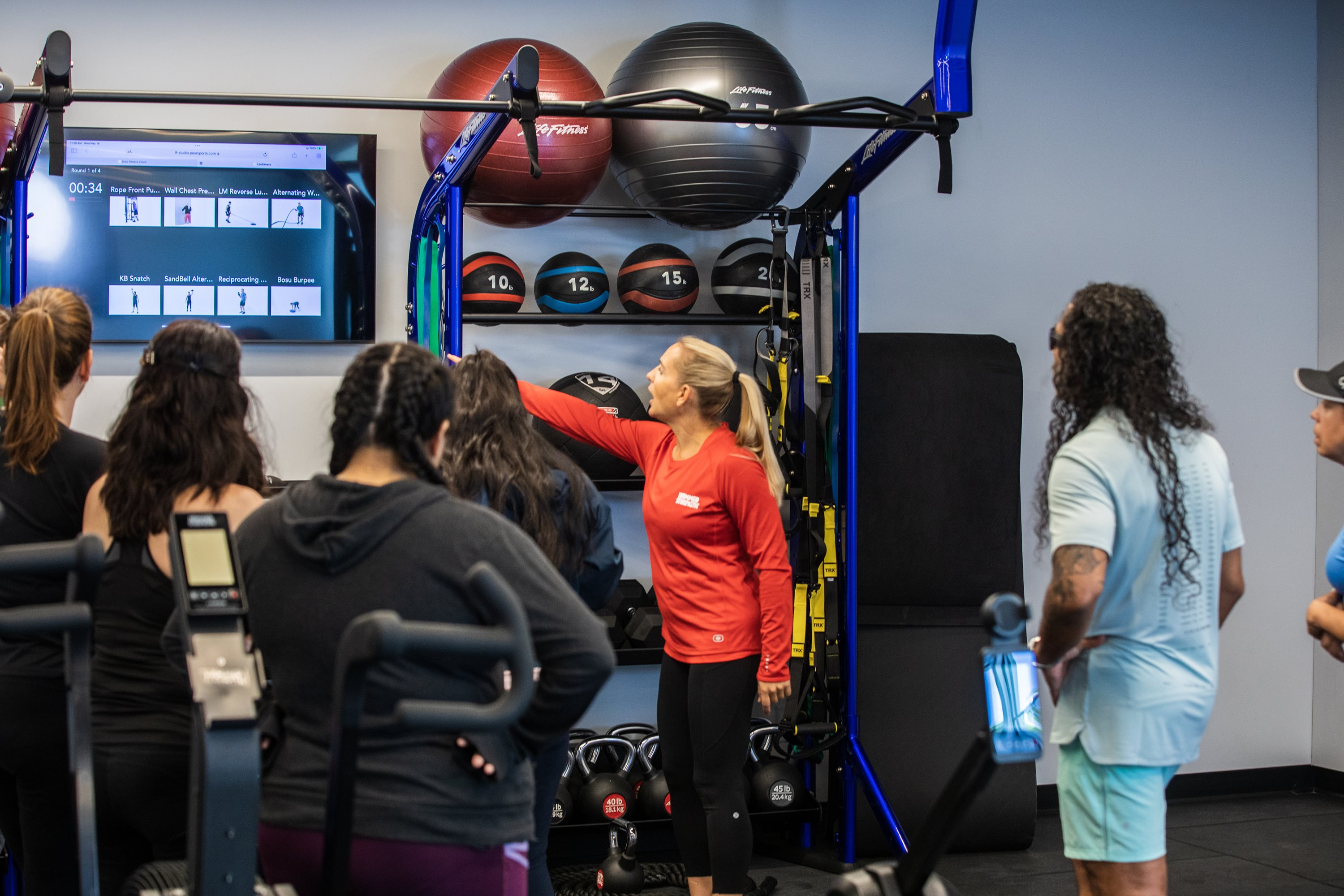
- Designing platforms that connect seamlessly with VBT (velocity-based training), wearable tech, and athlete monitoring systems.
- Building versatility into every product line, so your space works harder and smarter.
- Engaging directly with coaches not just as users, but as co-creators of the tools they need next.
We believe that strength equipment should be more than strong. It should be smart, intuitive, and adaptable because that's what today's coaches demand.
A Strategic Imperative for Facility Leaders
The rise of field-led innovation doesn't mean science no longer matters. It means science is catching up to what's already happening in your weight room.
For operators, the takeaway is clear:
- Create a facility that supports iteration, data-driven adjustments, and coach empowerment.
- Invest in tools that allow innovation to flourish, not stall.
- Partner with manufacturers who understand that strength is no longer just physical—it's operational, analytical, and deeply collaborative.
As Dr. Feit puts it: "We're moving toward a model where research and practice are in constant conversation. And that's a good thing for coaches, for athletes, and for the future of our field."
And for forward-looking facilities; it's not just a good thing. It's a competitive edge.
Equip your coaches to lead the next era of strength. Explore Hammer Strength.